Bike type guide
Cruiser insurance
Cruiser insurance sits at or below the all-bikes median. Compare accessory and passenger coverage gaps, how to shop, and modeled premium ranges.
LAST UPDATED · How we research this
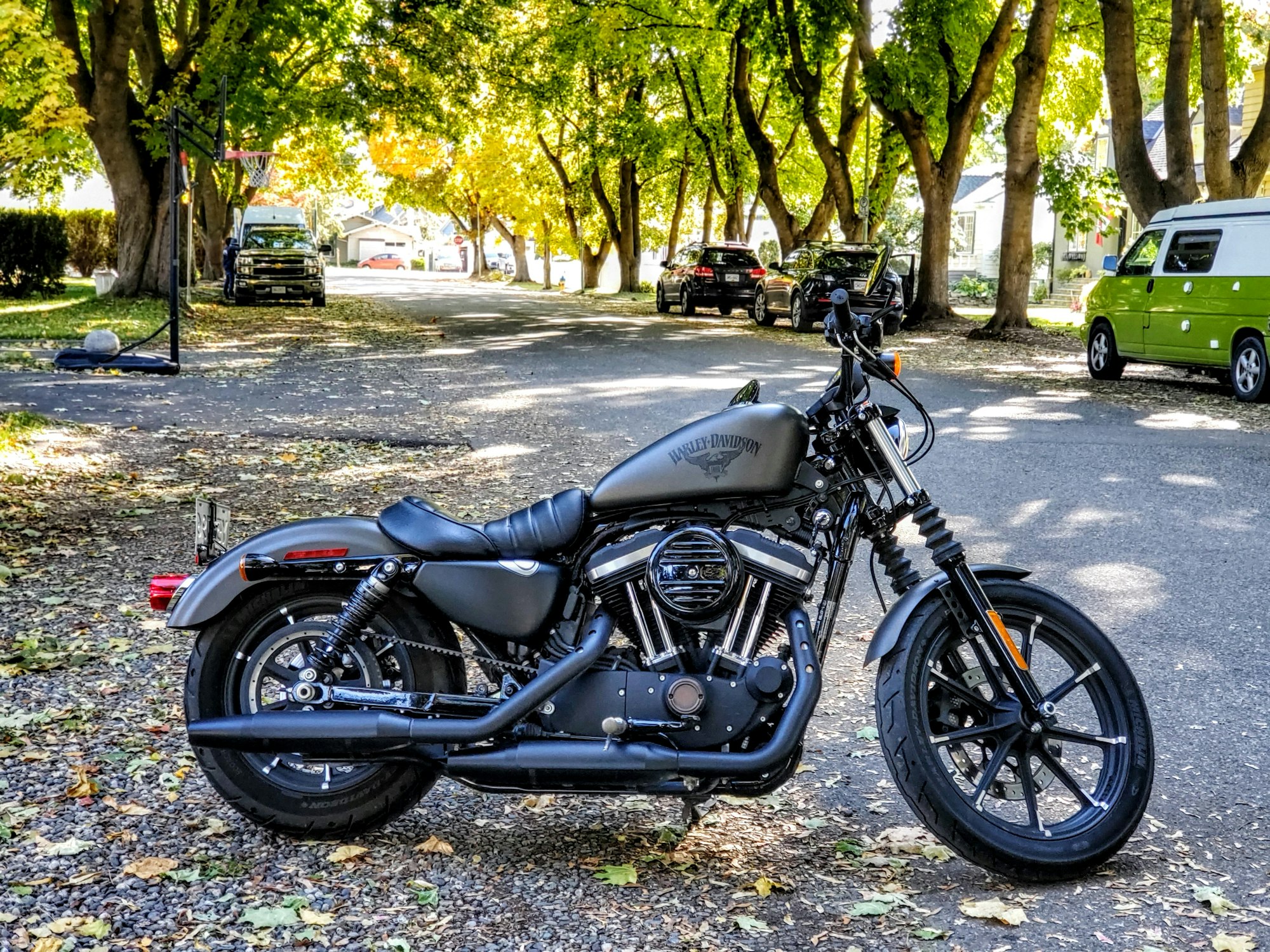
Coverage gaps to watch on a Cruiser
Accessories and saddlebag contents under-covered
Backrests, crash bars, audio, and luggage frequently exceed the accessory limit in a base policy, and personal items inside bags are usually not covered at all.
Fix
Add a custom parts and equipment endorsement for the hardware and confirm whether a separate personal-effects coverage is needed for bag contents.
Passenger liability assumptions
Cruisers are often ridden two-up, but liability for an injured passenger may be limited unless guest-passenger coverage is in place.
Fix
Confirm the policy includes guest passenger liability and that limits are high enough for two-up riding.
Seasonal lay-up gaps
Dropping coverage entirely over winter can leave the bike unprotected against theft or fire while stored.
Fix
Use a lay-up or comprehensive-only option that keeps theft and fire coverage active during storage instead of canceling the policy.
A cruiser is built for relaxed, lower-speed riding, and that single fact does most of the work in keeping its insurance affordable. Pair the unhurried riding style with an older, more experienced owner base and the class lands at or slightly under the all-bikes premium median. On our cost model, a cruiser runs about $140 to $360 a year from minimum to full coverage. Three things tend to catch cruiser owners off guard: chrome and saddlebag value that runs past a base policy’s accessory limit, thin passenger liability on a bike that is regularly ridden two-up, and a winter lay-up handled badly enough to leave the bike exposed in storage. A clean-record commuter on a stock mid-size cruiser will usually see the lowest number, so the work is comparing the same coverage across several insurers.
Why a cruiser has specific insurance considerations
Insurers view cruisers as a moderate-risk class, and the pricing reflects two things working in the rider’s favor. The first is riding posture and speed. A cruiser puts the rider in a relaxed, feet-forward position on a bike built for steady cruising rather than acceleration, and lower typical speeds reduce crash severity. The second is the class’s crash record. Cruiser, standard and touring riders have the lowest driver death rates of any motorcycle type, while supersport riders die at about four times the cruiser and standard rate per registered bike [Insurance Institute for Highway Safety, 2026]. Together those factors place a cruiser at or slightly below the all-bikes premium median.
The complication is parts and accessory value, which can be high. A cruiser is a common platform for chrome, audio, backrests, crash bars, and luggage, and an accessorized cruiser carries value a base policy may not cover at full replacement cost. So a cruiser is a moderate-risk bike to insure for liability and physical damage, but the rider still has to check that the accessories are covered — the low base premium does not mean the policy reaches everything bolted to the bike.
This is the split a cruiser owner should keep in mind: the rider profile and riding style work in your favor on the premium, but the way cruisers are commonly built and ridden — accessorized, two-up, stored for a season — creates coverage questions a bare commuter bike never raises. A cheap quote on a cruiser is available; a cheap quote that covers the accessories, the passenger, and the stored months is a different thing to confirm.
Coverage gaps to watch
Three gaps catch cruiser riders specifically.
The first is accessories and saddlebag contents under-covered. Backrests, crash bars, audio, and luggage frequently exceed the accessory limit in a base policy, and personal items inside the bags are usually not covered at all. The fix is a custom parts and equipment endorsement for the hardware, plus confirming whether separate personal-effects coverage is needed for the contents of the bags — the two are distinct, and a base policy commonly covers neither fully.
The second is passenger liability assumptions. Cruisers are often ridden two-up, but liability for an injured passenger may be limited unless guest-passenger coverage is in place. The fix is to confirm the policy includes guest passenger liability and that the limits are high enough for two-up riding — a passenger injury is exactly the claim that can run past a thin liability limit.
The third is seasonal lay-up gaps. Dropping coverage entirely over winter can leave the bike unprotected against theft or fire while it sits in storage. The fix is a lay-up or comprehensive-only option that keeps theft and fire coverage active during storage, rather than canceling the policy outright. The lay-up clause should pause collision while keeping comprehensive — confirm the structure before relying on it.
A cruiser's shopping question is mostly about chrome. How much accessory value is bolted on settles where to start: a bare stock cruiser on a clean record is a low-number quote at almost any insurer, while an accessorized bike turns on how each one handles custom parts. Pull three quotes that hold your coverage constant, and on a built-up cruiser ask each insurer whether custom-parts coverage sits in the base policy or on a paid endorsement, because that is the detail that decides which quote is the better deal.
Modeled premium ranges
Our cost model puts a cruiser at about $140 to $360 a year, from minimum to full coverage. That figure is a modeled estimate, not a quote or a published average: we scale MoneyGeek’s $364 national full-coverage average by our own bike-class factor [MoneyGeek, Average Cost of Motorcycle Insurance, 2026]. It sits at or slightly below the all-bikes median, because lower speeds and an older rider demographic temper claim severity.
What moves a cruiser premium within that range: the engine size and the bike’s value, the rider’s age and claims history, the state and city, the deductible, and how much accessory value is scheduled. A stock mid-size cruiser with a clean-record mature rider sits near the bottom of the range; a large, heavily accessorized cruiser with full coverage sits near the top. Pull a live quote for your own bike, record, and state.
Cruiser-specific discounts
The discounts that move a cruiser premium are the standard motorcycle levers, and the rider demographic makes one of them easy to claim. Completing an MSF-recognized safety course earns a discount with most insurers, and a mature-rider or experienced-rider discount is one many cruiser owners qualify for given the class’s older demographic.
The rest of the list is familiar: insuring more than one bike, bundling a multi-policy package, installing anti-theft equipment, paying the premium in full rather than monthly, and a clean-record discount all reduce the number. A seasonal cruiser rider should also ask about the lay-up option, which is not a labeled discount but cuts the premium for the months the bike is in storage while keeping theft coverage active. Discounts vary by carrier and state.