Bike type guide
Scooter insurance
Some states do not require insurance on small scooters. Compare when coverage is mandatory, the gaps to watch, and what to ask a carrier before you buy.
LAST UPDATED · How we research this
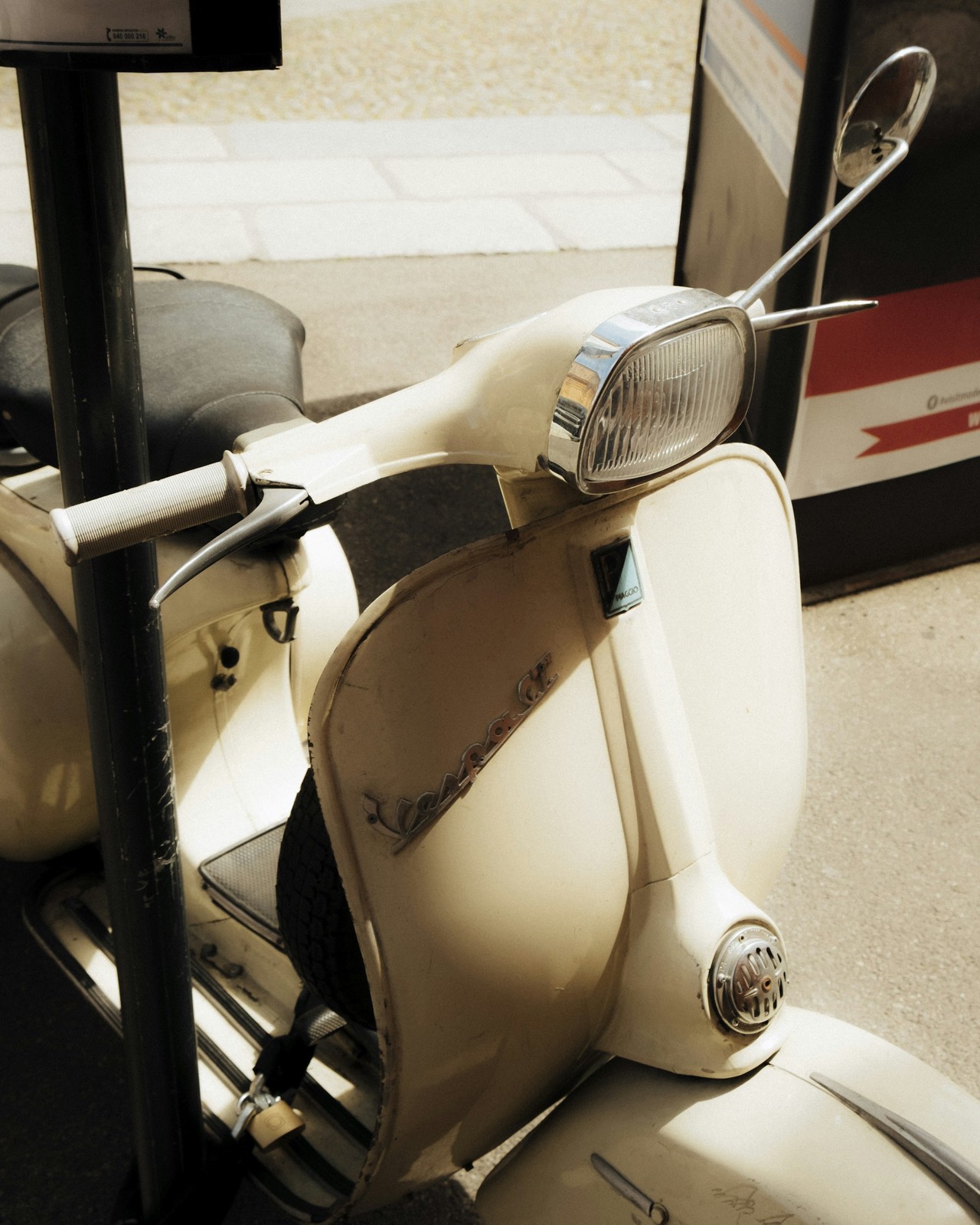
Coverage gaps to watch on a Scooter
Under-50cc scooters may be uninsured by default
Some states exempt scooters or mopeds under a displacement threshold from insurance requirements, so owners ride with no coverage and no protection against theft or liability.
Fix
The displacement threshold that separates an exempt moped from an insured motorcycle varies by state, so check your own state’s motorcycle and moped rules before assuming a scooter is covered. Even where insurance is not mandated, carrying liability and theft coverage is recommended.
Homeowners and auto policies rarely extend to scooters
Owners often assume a scooter is covered by an existing auto or homeowners policy; both generally exclude motorized two-wheelers for liability and theft.
Fix
Buy a dedicated scooter or motorcycle policy rather than relying on an existing auto or homeowners policy.
Theft exposure in urban parking
Lightweight scooters parked on city streets are easy theft targets, and without comprehensive coverage the loss is unprotected.
Fix
Carry comprehensive coverage and use a secure lock; ask about anti-theft discounts.
Before a scooter owner shops for a price, there is a prior question most other riders never face: does the state require a policy at all? A number of states exempt scooters and mopeds below an engine-displacement threshold from mandatory insurance, while others draw the line elsewhere or require coverage outright. Both the threshold and the exemption shift from state to state, so the rules where the scooter is registered have to be checked first. Even where the law leaves coverage optional, carrying liability and theft protection is still the sensible call.
How to shop a scooter policy
For broader standalone coverage, look to an insurer that writes scooters and mopeds with custom-parts coverage in the base policy. A rider with a marked-up record can still get written by the high-risk specialists, and the powersports and agent-network insurers cover scooters too.
Why a scooter has specific insurance considerations
The distinct issue for a scooter is regulatory, not actuarial. Because a small scooter or moped sits at the bottom of the displacement scale, some states define a moped separately from a motorcycle, often by engine size and top speed [Insurance Institute for Highway Safety, Motorcycle helmet use laws, 2026], and the insurance rule can follow the definition: Florida’s financial-responsibility law leaves mopeds out of its definition of a motor vehicle [Florida Legislature, F.S. 324.021, 2026]. The exemption often interacts with how the state defines a "moped" versus a "motorcycle" — a vehicle’s engine displacement and top speed can decide which category it falls into, and with it whether a policy is required. That creates a situation no other bike type has: an owner can legally ride with no coverage and no protection against theft or a liability claim, simply because the law did not require a policy.
Coverage gaps to watch
Three gaps catch scooter owners specifically.
The first is smaller scooters may be uninsured by default. Some states exempt scooters or mopeds under a displacement threshold from insurance requirements, so owners ride with no coverage and no protection against theft or liability. There is no uniform national cutoff — both the threshold and whether an exemption exists at all vary from state to state — so the fix is to check the rider’s own state DMV for its motorcycle and moped rules. Even where insurance is not mandated, carrying liability and theft coverage is recommended.
The second is homeowners and auto policies rarely extend to scooters. Owners often assume a scooter is covered by an existing auto or homeowners policy; both generally exclude motorized two-wheelers for liability and theft. The fix is to buy a dedicated scooter or motorcycle policy rather than relying on an existing auto or homeowners policy.
The third is theft exposure in urban parking. Lightweight scooters parked on city streets are easy theft targets, and without comprehensive coverage that loss is unprotected. A scooter is light enough to lift, often parked in public view, and rarely secured the way a car is — the combination is why urban theft is the loss a scooter policy is most likely to pay on. The fix is to carry comprehensive coverage, use a secure lock, and ask about anti-theft discounts.
An insurer that folds custom-parts coverage into the base policy is the wider standalone choice if a scooter carries any aftermarket value. With a difficult record, the high-risk specialists still write it, and a powersports specialist will take on scooters and non-standard powered two-wheelers a mainstream insurer might pass on. An agent-network insurer is the pick for a rider who wants the policy walked through face to face.
Because the gap most scooter owners hit is being uninsured by default, the first move is to confirm the scooter is on a real policy and quote it directly rather than assume an existing policy reaches it.
What sets the premium
No published average exists for scooter premiums, and our cost model has no class factor for scooters, so we don’t show a range here.
What moves a scooter premium: the rider’s age, driving record and location, the type and age of the bike, the miles ridden a year, and where the bike is stored [Insurance Information Institute, 2024]. Pull a live quote for your own scooter and the coverages you need — and confirm first whether your state requires a policy at all.
Scooter-specific discounts
The discounts on a scooter policy are the standard motorcycle levers. Insuring more than one bike, bundling a multi-policy package, paying the premium in full rather than monthly, and an MSF-recognized safety course where the insurer offers it all reduce the number.
Anti-theft measures matter on a scooter because urban theft is the main loss a scooter policy is built around, and a secure lock both lowers the risk and can earn an anti-theft discount. Discounts vary by insurer and state.