Bike type guide
Touring motorcycle insurance
Touring bike insurance runs above the all-bikes median. Compare electronics, trip-interruption, and cargo coverage gaps and modeled premiums.
LAST UPDATED · How we research this
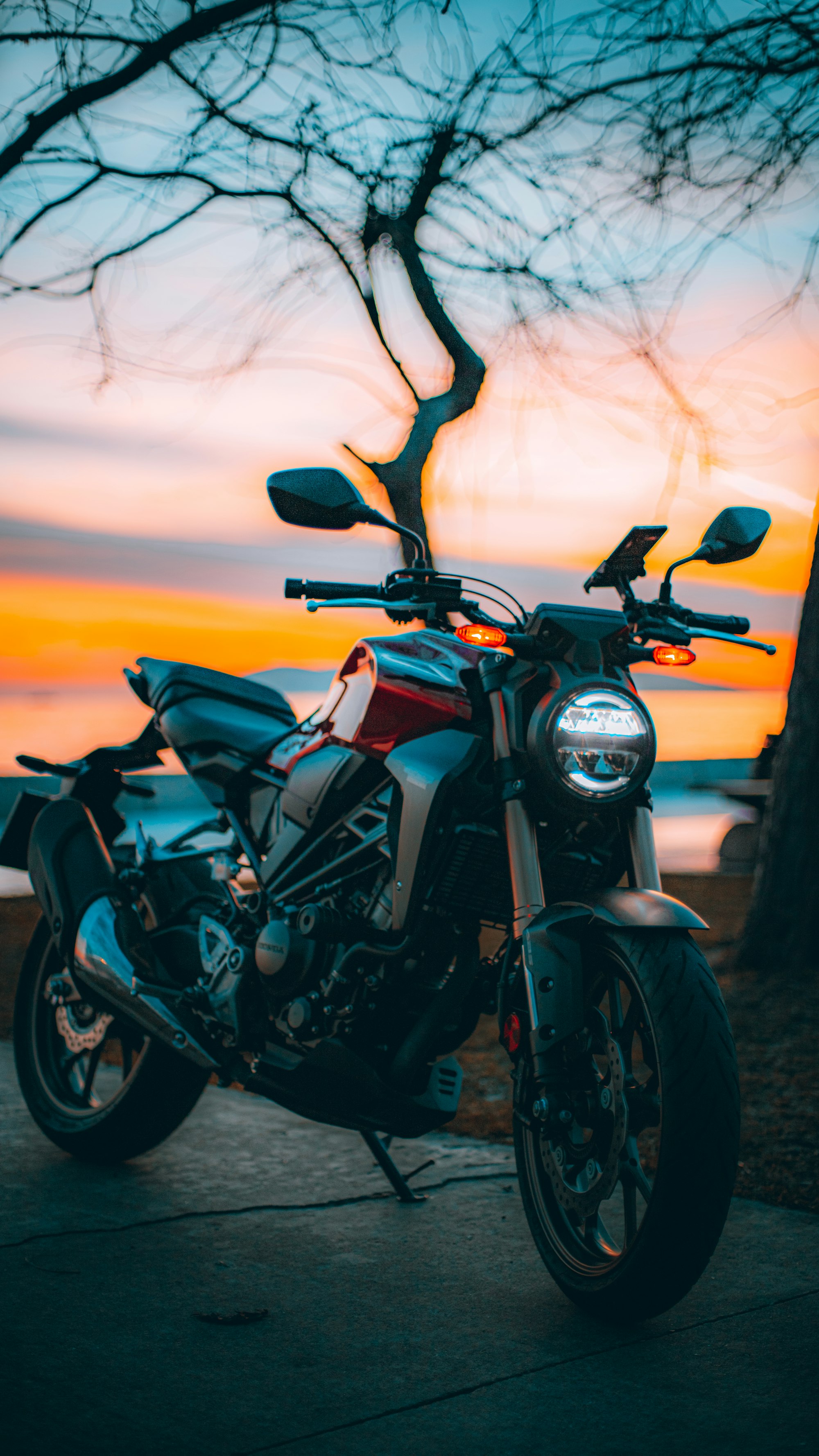
Coverage gaps to watch on a Touring motorcycle
Integrated electronics and navigation not fully covered
Factory infotainment, navigation, and audio are costly to repair, and base policies may treat them as accessories with a low sublimit.
Fix
Confirm electronics are covered at full repair cost, adding a custom parts and equipment endorsement if the policy applies an accessory cap.
Trip interruption and roadside gaps far from home
A breakdown hundreds of miles from home creates lodging, transport, and towing costs a basic policy does not address.
Fix
Add trip-interruption coverage and roadside assistance with a towing limit suited to a heavy touring bike.
Cargo and luggage contents excluded
Gear and personal belongings carried in panniers and top cases are generally not covered for theft or damage under the motorcycle policy.
Fix
Ask about personal-effects coverage or confirm a homeowners or renters policy extends to belongings carried on the bike.
A full-dress touring bike is one of the most expensive machines a motorcycle insurer will write, and its premium reflects three things at once: a high replacement cost, factory electronics that are costly to repair, and the long-distance, multi-state mileage that is the entire point of owning the bike. Our cost model puts a touring bike at about $160 to $410 a year, from minimum to full coverage, for a 34-year-old with five years of riding, at national rates. Where touring owners get tripped up is the detail of the policy — infotainment capped under a generic accessory sublimit, no trip-interruption coverage for a breakdown that strands the rider hundreds of miles from home, and luggage contents the motorcycle policy never agreed to insure. The widest standalone policy for the job comes from an insurer that builds custom-parts coverage into the base policy; an agent-network insurer suits a rider who would rather work with an agent.
How to shop a touring policy
Most policies treat a touring bike’s navigation, audio, and comfort electronics as accessories, which means a thin base policy can leave thousands of dollars of factory equipment uncovered. An insurer that folds custom-parts and equipment protection into its standalone base policy, rather than selling it as a paid add-on, sidesteps that.
For a touring rider who wants a local agent and a home-and-auto bundle, an agent-network insurer is the pick, offering agent-supported coverage at an agent-network premium. The direct-model insurers usually quote lowest on a stock touring bike for a clean-record rider, though electronics and accessory coverage there is a paid add-on. A powersports specialist suits a high-value touring rig, and a manufacturer's own program fits that brand of touring bike specifically. Match the policy to the bike’s electronics and mileage. The headline rate is the smaller question.
Why a touring motorcycle has specific insurance considerations
The type of bike and the miles it covers each year are both factors in a motorcycle premium [Insurance Information Institute, 2024], and three factors push a touring premium up. The first is vehicle value. A full-dress touring bike is one of the most expensive motorcycle classes, and comprehensive and collision premiums track the replacement cost. The second is integrated electronics. Touring bikes carry factory infotainment, navigation, and audio systems that are costly to repair or replace, and the electronics are a meaningful share of the bike’s value. The third is mileage. Touring riders accumulate long-distance, multi-state mileage — that is the point of the bike — and more annual miles means more exposure baked into the rate.
The mileage factor is the one a touring rider should think about hardest, because it changes which optional coverages matter. A bike ridden hundreds of miles from home regularly has a real chance of a breakdown or a crash far from the rider’s usual repair shop and home base, and the costs that follow — towing, lodging, transport — are exactly what a basic policy does not address. For a commuter bike those scenarios are rare enough to ignore; for a touring bike they are the predictable consequence of using the machine as intended, which is why the optional coverages that look like extras on a commuter policy are closer to core coverage on a tourer.
Coverage gaps to watch
Three gaps catch touring riders specifically.
The first is integrated electronics and navigation not fully covered. Factory infotainment, navigation, and audio are costly to repair, and base policies may treat them as accessories with a low sublimit. The fix is to confirm the electronics are covered at full repair cost, adding a custom parts and equipment endorsement if the policy applies an accessory cap — a touring bike’s electronics are too large a share of its value to leave under a generic accessory limit.
The second is trip interruption and roadside gaps far from home. A breakdown hundreds of miles from home creates lodging, transport, and towing costs a basic policy does not cover. The fix is trip-interruption coverage plus roadside assistance with a towing limit suited to a heavy touring bike — standard roadside coverage may not reach a fully loaded tourer’s weight.
The third is cargo and luggage contents excluded. Gear and personal belongings carried in panniers and top cases are generally not covered for theft or damage under the motorcycle policy itself. The fix is to ask about personal-effects coverage, or confirm a homeowners or renters policy extends to belongings carried on the bike — a touring rider carrying a trip’s worth of gear has real value at stake.
A touring bike’s electronics drive the comparison. Factory navigation and audio are a large share of the bike’s value, so the test for each quote is whether it covers that equipment without a thin sublimit. An insurer that puts custom-parts and equipment coverage in the base standalone policy answers it cleanly, covering a touring bike’s infotainment at repair cost rather than capping it as a generic accessory. A powersports specialist is the call for a high-value touring rig, with accessory and custom-parts limits generous enough for a full-dress machine. For a touring bike from a particular manufacturer, that brand's own program fits the machine specifically, with accessory coverage standard. The direct-model insurers usually post the lowest base number for a clean-record rider on a stock tourer, though electronics coverage there costs extra. And the high-risk specialists keep the door open for a rider whose record has closed others.
If electronics and accessory coverage is the priority, compare a specialist's terms against a mainstream quote before you assume a cheaper base quote covers the bike’s full value.
Modeled premium ranges
Our cost model puts a touring motorcycle at about $160 to $410 a year, from minimum to full coverage, for a 34-year-old with five years of riding, at national rates. That figure is a modeled estimate, not a quote or a published average. It comes from the same model as our cost estimator: MoneyGeek’s $141 minimum-coverage and $364 full-coverage national averages [MoneyGeek, Average Cost of Motorcycle Insurance, 2026], scaled by the model’s bike-class factor. It sits above the all-bikes median, because high replacement cost, heavy electronics, and long-distance mileage raise the exposure.
What moves a touring premium within that range: the bike’s value and electronics package, the annual mileage, the rider’s age and claims history, the state, the deductible, and the optional coverages selected. A modest touring bike with a clean-record rider and average mileage sits near the bottom of the range; a full-dress tourer with high mileage and full coverage sits near the top. Pull a live quote for your own bike, mileage, and state.
Touring-specific discounts
The discounts that move a touring premium are the standard motorcycle levers. Completing an MSF-recognized safety course, insuring more than one bike, bundling a multi-policy package, installing anti-theft equipment, and paying the premium in full rather than monthly all cut the number with most insurers.
One point is specific to touring riders: the long mileage that raises the base premium also means the lay-up option rarely helps, because a touring rider tends to ride year-round rather than store the bike for a season. An experienced-rider discount is one many touring owners qualify for, given the class’s older demographic. Discounts vary by insurer and state, so confirm the set with a live quote.