Bike type guide
Sport bike insurance
Sport bike insurance runs above the all-bikes median. See why theft and track-day exclusions matter, how to shop coverage, and modeled premiums.
LAST UPDATED · How we research this
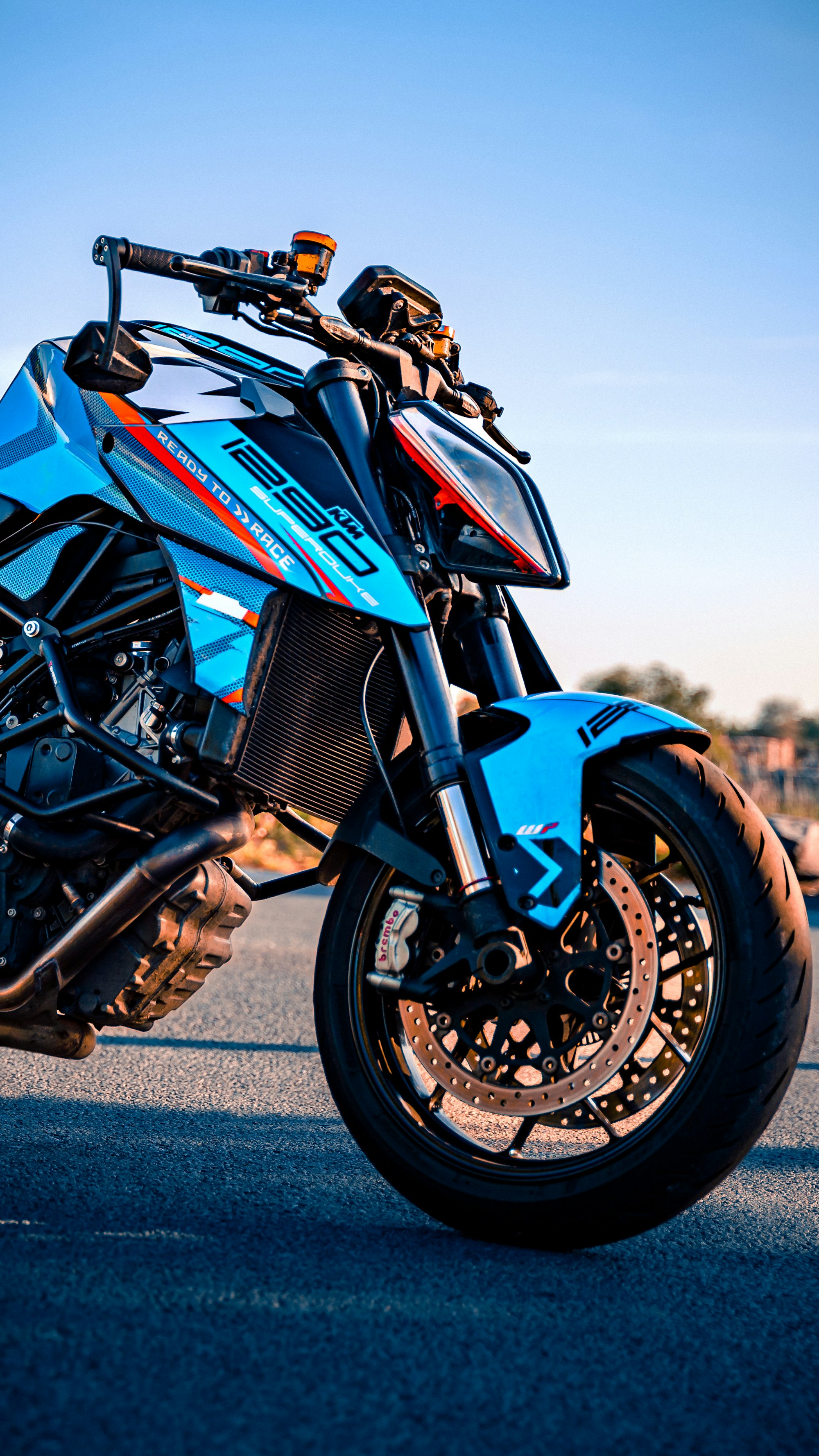
Coverage gaps to watch on a Sport bike
Theft losses on high-demand models
Popular supersport models are frequent theft targets, and a comprehensive deductible can absorb a large share of a smaller bike’s value.
Fix
Carry comprehensive coverage with a deductible you can afford, and ask whether anti-theft device discounts or a lower deductible option are available.
Track day and competition use is excluded
Standard policies exclude organized track days, racing, and timed events; a crash on track is typically not covered.
Fix
Buy separate track-day or event insurance for any closed-course riding; do not rely on the street policy.
Performance modifications can reduce or void coverage
Engine, exhaust, or ECU modifications that raise output may be excluded or, if undisclosed, give the carrier grounds to dispute a claim.
Fix
Disclose all performance modifications and add a custom parts and equipment endorsement so the upgrades are scheduled and covered.
No carrier quotes a sport bike cheaply, and switching insurers will not change that. Every insurer reads the same signals off a supersport — the performance, the theft rates on the popular models, the younger riders who tend to own them, and the heavier claims a crash produces — and prices the class above the all-bikes median accordingly. Our cost model puts a sport bike at about $230 to $590 a year, from minimum to full coverage, for a 34-year-old with five years of riding, at national rates. Two coverage gaps deserve a sport-bike owner’s attention before price does: a comprehensive deductible large enough to swallow much of a theft-prone bike’s value, and the standard policy’s track-day exclusion, which leaves any closed-course crash uncovered. A stock bike and a clean record return the lowest of those high quotes, so the work is comparing the same coverage across several insurers.
Why a sport bike has specific insurance considerations
Sport bikes are a higher-risk class: supersport riders have much higher driver death rates than riders of other motorcycle types [Insurance Institute for Highway Safety, 2026], and four factors stack to put the premium above the all-bikes median. The first is performance. A supersport is built for speed and acceleration a cruiser is not, and an insurer’s loss data reflects it. The second is theft frequency. Popular supersport models are among the most-stolen motorcycles, light enough to lift into a truck and in high demand for parts. The third is rider demographics. Sport bikes skew toward younger riders, a group with higher claim frequency across every vehicle class. The fourth is claim severity. When a sport-bike crash happens, it tends to be worse, and the medical and damage claims that follow are larger.
None of those factors is something a rider can argue away, which is why a sport-bike quote starts high and the useful question is how to manage the premium within that reality, not how to escape the class. Displacement is the one lever the rider chose: a 300–500cc sport bike usually rates below a 600–1000cc supersport, because lower performance and lower claim severity outweigh the theft risk that applies to both.
Coverage gaps to watch
Three gaps catch sport-bike riders specifically.
The first is theft losses on high-demand models. Popular supersport models are frequent theft targets, and on a smaller bike a comprehensive deductible can absorb a large share of the bike’s value. The fix is to carry comprehensive coverage with a deductible the rider can afford, and to ask whether anti-theft device discounts or a lower-deductible option are available. Skipping comprehensive on a theft-prone bike to save a few dollars is the wrong economy.
The second is track day and competition use is excluded. Standard motorcycle policies exclude organized track days, racing, and timed events. A crash on a closed course is typically not covered, and a rider who assumes their street policy follows them onto a track is uninsured the moment they leave pit lane. The fix is separate track-day or event insurance for any closed-course riding, since the street policy is not a substitute.
The third is performance modifications can reduce or void coverage. Engine, exhaust, or ECU modifications that raise output may be excluded, or, if undisclosed, give the carrier grounds to dispute a claim. The fix is to disclose all performance modifications and add a custom parts and equipment endorsement so the upgrades are scheduled and covered.
Modeled premium ranges
Our cost model puts a sport bike at about $230 to $590 a year, from minimum to full coverage, for a 34-year-old with five years of riding, at national rates. That figure is a modeled estimate, not a quote or a published average. It comes from the same model as our cost estimator: MoneyGeek’s $141 minimum-coverage and $364 full-coverage national averages [MoneyGeek, Average Cost of Motorcycle Insurance, 2026], scaled by the model’s bike-class factor. It sits above the all-bikes median, because sport bikes are a higher-theft, higher-claim class with greater crash severity.
What moves a sport-bike premium within that range: the displacement and performance class, the rider’s age, the claims and violation history, the city and its theft rate, the deductible, and any disclosed modifications. A 300–500cc bike with a clean-record mature rider sits near the bottom of the range. A younger rider pays well above it: the model’s 28-year-old sport-bike rider with four years of riding comes out at $650–$1,020 a year for full coverage. Pull a live quote for your own bike, age, and state.
Sport-bike-specific discounts
The discounts that move a sport-bike premium are the standard levers, and two matter more here than on other bike types. Completing a rider safety course earns a discount and is worth more on a sport bike, where a younger or newer rider is the high-cost profile a course directly addresses. Where the bike is stored is one of the factors that sets the premium [Insurance Information Institute, 2024], so secure storage and anti-theft devices are worth asking about on a theft-prone model.
The rest of the list is familiar: insuring more than one bike, bundling a multi-policy package, maintaining a clean record, and choosing a higher deductible all reduce the premium — though a higher deductible on a theft-prone bike is a tradeoff, not a free saving. Discounts vary by carrier and state, so confirm the set with a live quote.