The short answer
A multi-bike discount is worth up to 10% at GEICO when you insure more than one motorcycle. See how it works, who qualifies, and when separate policies win.
A multi-bike discount is worth up to 10% at GEICO if you insure more than one motorcycle [GEICO, Motorcycle Insurance Discounts, 2026]. It rewards owning more than one bike with the same carrier. The exception: if one of your bikes is non-standard — a custom build or a classic — a specialist insurer may price that bike alone for less than the multi-bike carrier charges for it, and combining everything onto one policy can cost you more, not less.
Direct answer: what the multi-bike discount is worth
GEICO lists up to 10% if you insure more than one motorcycle [GEICO, Motorcycle Insurance Discounts, 2026]. It applies when one carrier insures two or more motorcycles owned by the same household. The most expensive bike to insure may be priced normally; the other bikes are then added at a discounted rate [Progressive Corporation, 2023].
For most owners of two or three standard bikes, the multi-bike route wins. But it is not automatic. The discount lowers the price of the added bike at one carrier; it does not guarantee that carrier is the cheapest place to insure every bike you own. That distinction is the whole point of this page.
How the discount works
A multi-bike policy lists every motorcycle on a single contract. The carrier prices each bike from its own value, type, and the rider’s record, then applies the multi-bike discount to the additional bikes. Some carriers discount every bike on the policy; others discount only the second and beyond. Not every state offers every discount, so availability varies [National Association of Insurance Commissioners, 2024].
The reasoning behind the discount is exposure, not goodwill. A household with three bikes and one rider has roughly the road exposure of one bike at any given moment — the other two are parked. Carriers price that lower utilization into the additional-bike rate. A household with three bikes and three riders does not get the same logic; if everyone rides, the carrier may treat each bike closer to a standalone risk.
The discount also tends to be administrative-light. One policy, one renewal date, one bill — which is a real convenience even before the price saving. But convenience is not the same as savings, and a tidy single policy that costs more than two separate ones is still the wrong call.
How much you save
The published figure is up to 10% at GEICO [GEICO, Motorcycle Insurance Discounts, 2026]. motoinsure publishes no discount percentages of its own; the methodology covers where its premium figures come from. The total saving scales with how many bikes you add and what they are worth. Two mid-value cruisers on one policy produce a modest but reliable saving. A primary bike plus a cheap second commuter produces less in dollars, because the discount is a percentage of a small premium.
Here is the tradeoff stated plainly. The multi-bike discount is a percentage off one carrier’s rate for the added bike. If that carrier prices your non-standard bike poorly — a custom Harley, a vintage restoration, a sport bike a mainstream carrier surcharges — then 10% off a bad rate can still exceed what a specialist insurer charges for that exact bike on its own. The right comparison is not "multi-bike policy versus separate policies in the abstract." It is the multi-bike carrier’s total against the sum of each bike at its best individual home. Run both numbers.
For a household with two or three standard bikes and no exotic builds, that comparison almost always favors the multi-bike policy. The exception is real but specific: a mixed garage where one bike belongs with a specialist.
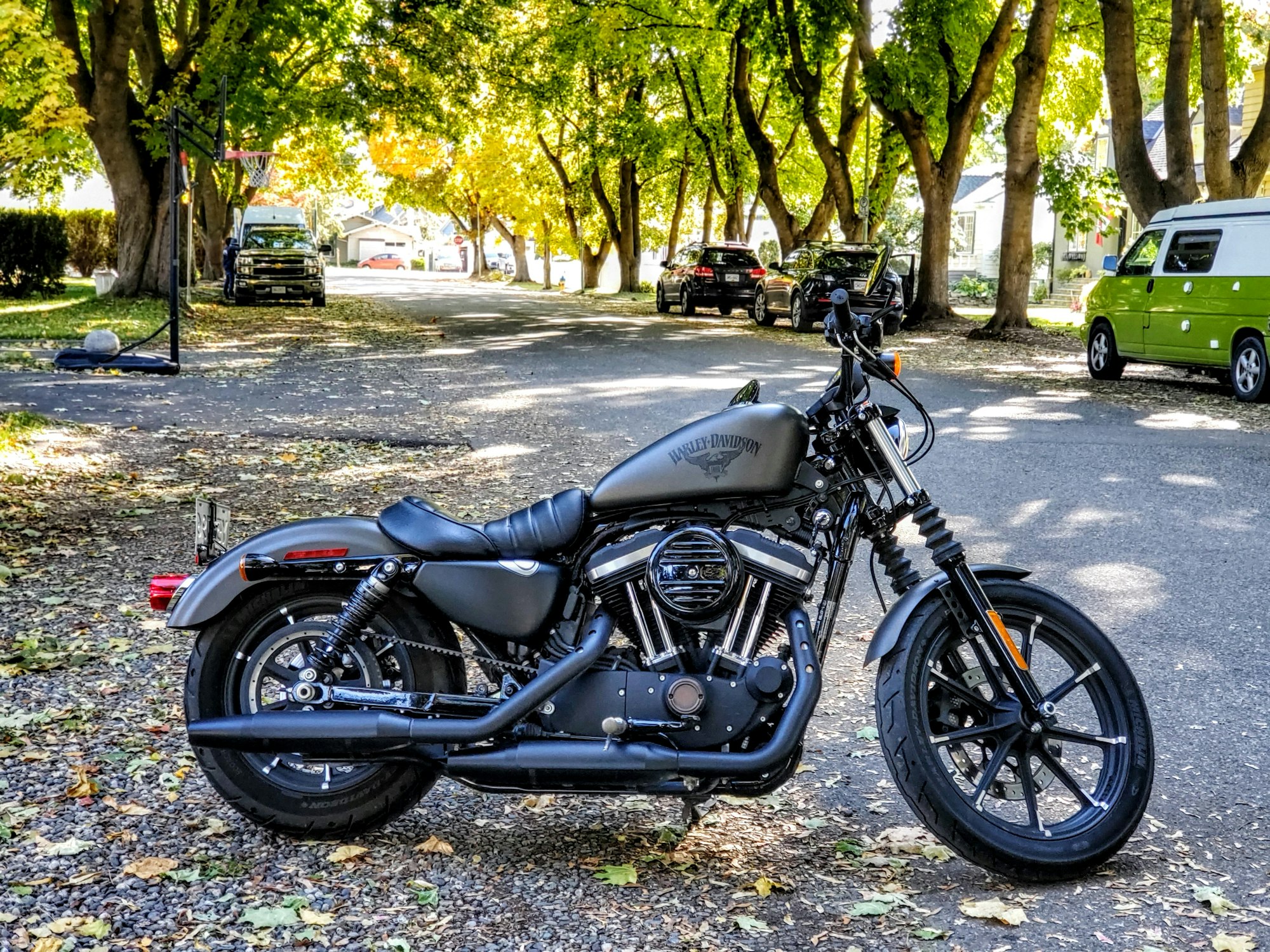
To make the bands concrete, take a sample rider: a clean-record commuter who owns a mid-size cruiser and a second standard naked bike, both stock. Combined on one multi-bike policy, the second bike picks up the multi-bike credit, trimming the household total — a modest but reliable saving, plus one bill and one renewal date. Now change one variable. Swap the second bike for a heavily modified custom Harley a mainstream carrier surcharges as non-standard. The multi-bike credit still applies, but it is a percentage off an already-inflated rate. A powersports specialist that prices the custom bike on its merits can quote that one bike below what the mainstream carrier charges even after the discount — and at that point the cheaper answer is the cruiser on the multi-bike policy and the Harley on its own specialist policy. The point is that the discount percentage and the underlying rate move independently, and only the total matters.
How to qualify
Qualifying requires owning two or more motorcycles and insuring them with the same carrier. Most carriers require the bikes to be registered to the same household and, often, the same named insured or a spouse. A bike co-owned with someone outside the household, or one kept and ridden in a different state, can complicate or block the discount.
To claim it, list every bike when you quote, or call to add a bike to an existing policy mid-term. Confirm whether the carrier discounts all bikes or only the additional ones — that single rule changes the math. And before you consolidate, get a standalone quote on any non-standard bike in the garage so you can compare the multi-bike total against splitting that one bike out.
Which providers offer it
One large standalone motorcycle insurer can add a household’s other bikes to one policy at a discounted rate [Progressive Corporation, 2023]. Other carriers set their own rules on which bikes a multi-bike discount touches, so ask each one.
The practical move matches the discounts hub advice: get the multi-bike quote from a couple of carriers, then separately quote any non-standard bike with a specialist, and compare the totals. The cheapest motorcycle insurance pillar puts the multi-bike discount in the context of overall price.
Estimate your premium
Your details
Estimated annual full-coverage premium
PER YEAR · MEDIAN $380
This is a non-binding modeled estimate: MoneyGeek’s 2026 state averages plus our own rider and bike adjustments, not your individual risk profile. A real quote depends on your ZIP, exact bike, claims history, and discount eligibility.